


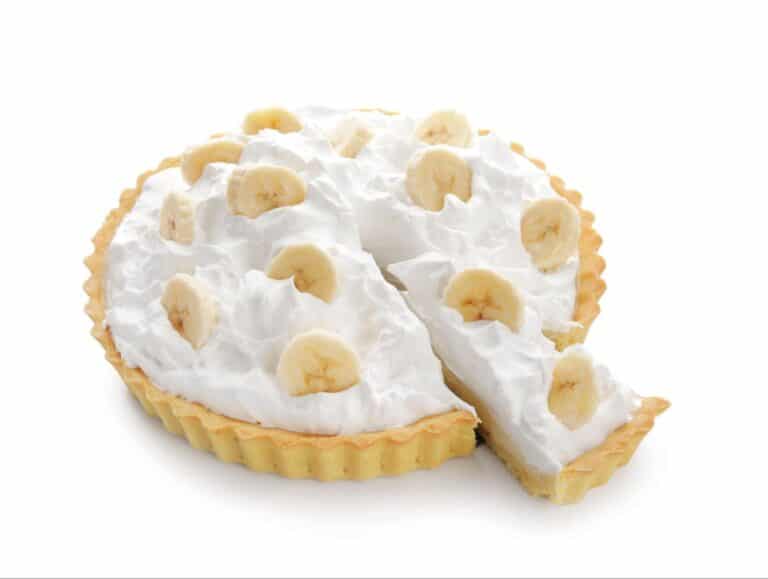





A good Australian pavlova is all about contrast. The meringue should be crisp on the outside, soft and marshmallowy in the centre, and topped with a generous layer of fluffy whipped cream. Add fresh fruit and a few colourful decorations, and you’ve got a dessert that looks impressive without requiring complicated techniques.
Choosing the right pavlova toppings makes all the difference, especially when you’re preparing dessert for a summer barbecue or Christmas lunch. From getting the cream just right to arranging seasonal fruit, here’s how to create a beautiful pavlova that tastes as good as it looks.
Table of Contents
Choosing the Best Cream for Pavlova
Thickened cream is the usual choice for Australian pavlovas because it whips easily and holds its shape. Look for cream with around 35% milk fat or more, which provides enough richness to create a light, stable topping.
Pure pouring cream can also work if it has sufficient fat, although it may take longer to whip and won’t always hold its shape as well. Avoid light cream or cooking cream, which generally lacks the fat needed for a fluffy finish.
For a standard 20–23 cm pavlova, start with approximately 300–400 ml of cold thickened cream. Add a tablespoon of icing sugar and a little vanilla extract if you prefer a lightly sweetened topping.
For a closer look at the different options, see our guide to choosing the best cream for whipped cream, including which varieties work best for desserts.
How to Whip Cream Without Making It Grainy
The secret to smooth pavlova cream is keeping everything cold and stopping at the right consistency. Overwhipped cream becomes grainy and can eventually separate into butter and liquid.
Whipping Cream by Hand or Mixer
Chill your mixing bowl and beaters for 10 minutes before starting. Pour in the cold cream and beat on medium speed until soft peaks form.
For pavlova, aim for soft to medium peaks that hold their shape but still look smooth. The cream should spread easily across the meringue without becoming stiff or clumpy.
Using a Cream Whipper
A cream whipper makes it easy to create light, even swirls without manually whipping a large bowl of cream. It’s particularly useful when decorating individual pavlovas or serving several desserts.
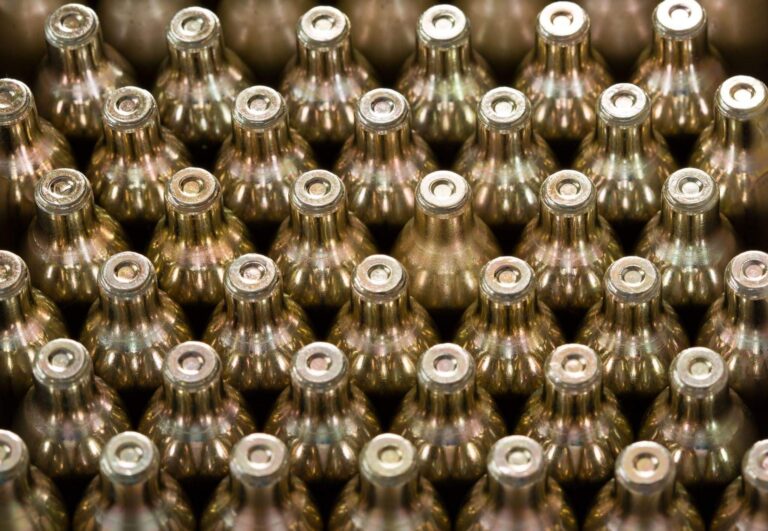
Mix cold thickened cream with a little icing sugar and vanilla, ensuring everything is dissolved. Pour the mixture into a clean cream whipper, staying below the maximum fill line, then charge and shake according to the manufacturer’s instructions.
Dispense the cream in overlapping swirls, starting near the centre and working outwards. This creates an attractive café-style finish while leaving space for the fruit.
If you’re new to using a cream whipper, our beginner’s guide to whipped cream dispensers walks through preparation, charging and dispensing, along with common mistakes to avoid.
How to Stabilise Whipped Cream for Pavlova
If your pavlova needs to sit for a while before serving, stabilised whipped cream can help the topping maintain its shape. However, stabilising the cream won’t prevent moisture from eventually softening the meringue.
One simple option is to add mascarpone. For every 250 ml of thickened cream, use approximately 50 g of mascarpone and a tablespoon of icing sugar.
Beat the mascarpone briefly until smooth, then gradually add the cold cream and whip to soft-medium peaks. This creates a slightly richer topping that holds its shape better than plain whipped cream.
You can also use a commercial whipped cream stabiliser according to its instructions. For cream whippers, only use ingredients approved by the equipment manufacturer, as thick mixtures can block the nozzle.
When Should You Add Cream to a Pavlova?
Add whipped cream as close to serving as possible, ideally within 30 minutes. The meringue gradually absorbs moisture from the cream and fruit, which softens its crisp outer shell.
For the best results, bake the meringue ahead of time and store it in an airtight container once completely cool. Keep the cream refrigerated and prepare the fruit separately.
If you’re hosting a gathering, arrange everything before guests arrive and decorate the pavlova shortly before dessert. This preserves the contrast between the crunchy shell, soft centre and creamy topping.
Classic Australian Pavlova Toppings
Classic pavlova toppings balance sweet meringue with fresh, slightly tart fruit. Strawberries, raspberries, blueberries, kiwi fruit and passionfruit are all excellent choices.
Start with a generous layer of whipped cream, then arrange sliced strawberries and kiwi fruit around the top. Scatter berries between them and spoon fresh passionfruit pulp over the centre.
The passionfruit adds a tangy flavour that cuts through the sweetness, while the colourful fruit creates a traditional Australian pavlova presentation.
Summer Pavlova Topping Ideas

Summer is the perfect time to use ripe mangoes, peaches, nectarines and other stone fruit. Their natural sweetness pairs beautifully with lightly sweetened whipped cream.
Try combining sliced mango with passionfruit for a tropical pavlova, or arrange thin wedges of peach and nectarine in overlapping circles. A handful of raspberries adds colour and a little tartness.
Avoid adding excessive fruit juice, as it can quickly soften the meringue. Pat particularly juicy fruit dry before arranging it over the cream.
Christmas Pavlova Toppings

A Christmas pavlova is a favourite on Australian dessert tables, especially when the weather calls for something light and refreshing.
For a festive combination, use fresh cherries, pomegranate seeds and small mint leaves. The red and green colours create a Christmas-inspired presentation without artificial decorations.
Arrange halved, pitted cherries around the whipped cream, scatter pomegranate seeds over the top and finish with a few mint leaves. Add strawberries or raspberries if you’d like an even more colourful dessert.
For a larger gathering, consider making a pavlova wreath. Pipe whipped cream around the meringue ring and decorate it with clusters of fruit, leaving some cream visible between the toppings.
Rich and Indulgent Pavlova Toppings
Fresh fruit isn’t your only option. Chocolate, salted caramel and lemon curd can turn a traditional pavlova into something more decadent.
For chocolate lovers, scatter dark chocolate shavings over the whipped cream and add a few raspberries. The slightly bitter chocolate balances the sweetness of the meringue.
Salted caramel works particularly well with sliced bananas or toasted nuts. Drizzle it lightly just before serving to prevent the topping from becoming overly sweet or soggy.
Lemon curd is another excellent choice, particularly with blueberries or strawberries. Spoon small amounts over the cream rather than spreading a thick layer, allowing the tangy flavour to complement the other ingredients.
How to Decorate a Pavlova Beautifully

A few simple decorating techniques can make your pavlova look professionally finished.
Build Height with Whipped Cream
Instead of spreading the cream completely flat, create soft peaks or pipe generous swirls. This gives the dessert height and provides natural spaces for arranging fruit.
Balance Colours and Textures
Combine contrasting colours, such as red berries, golden mango and green kiwi fruit. Avoid covering every centimetre with fruit, as leaving some whipped cream visible makes the presentation more appealing.
Layer Larger Fruit First
Place larger pieces of fruit on the cream before adding smaller berries, seeds and garnishes. This helps create a balanced arrangement without crushing delicate toppings.
Finish with Edible Flowers
Food-safe edible flowers can add a delicate finishing touch for celebrations. Only use flowers specifically grown and sold for culinary use, as ordinary florist flowers may contain unsuitable chemicals.
How Much Whipped Cream Do You Need?
The amount of cream depends on the pavlova’s size and how generously you want to decorate it.
| Pavlova Size | Suggested Cream Quantity |
| Mini pavlovas (6 individual) | 200–250 ml |
| Small pavlova (15–18 cm) | 200–250 ml |
| Medium pavlova (20–23 cm) | 300–400 ml |
| Large pavlova (25–28 cm) | 450–600 ml |
| Pavlova wreath (25–30 cm) | 500–600 ml |
These quantities refer to liquid cream before whipping. If you’re using a cream whipper, check its capacity and prepare multiple batches when necessary rather than overfilling it.
How Far Ahead Can You Assemble a Pavlova?
For the crispest result, assemble your pavlova immediately before serving. You can bake the meringue a day or two ahead if it’s stored completely dry in an airtight container.
Whipped cream can be prepared ahead and kept refrigerated at 5°C or colder, following the cream’s use-by date and the whipper manufacturer’s instructions. Keep washed and prepared fruit chilled separately.
If necessary, you can assemble the pavlova around 30–60 minutes before serving, although the meringue will gradually soften. Once decorated, refrigerate it promptly and avoid leaving it sitting out during warm weather.
Create Your Perfect Pavlova
The best Australian pavlova combines a crisp meringue shell with smooth whipped cream and carefully chosen toppings. Whether you’re preparing a classic fruit pavlova, a tropical summer dessert, or a festive Christmas centrepiece, timing and presentation make all the difference.
With a quality cream whipper, creating light, attractive cream swirls becomes easier, especially when decorating multiple desserts. Explore our cream-whipping equipment and accessories to give your next pavlova a beautiful finishing touch.
Frequently Asked Questions
1. Can You Use Whipped Cream from a Can on Pavlova?
Yes, but freshly whipped cream generally provides better flavour and more control over the texture. Cream dispensed from an aerosol can may lose volume quickly, so add it immediately before serving.
2. What Fruit Should You Avoid on Pavlova?
Very watery fruit can soften the meringue quickly, particularly when added too early. Watermelon and heavily syrup-soaked fruit are best avoided unless added immediately before serving.
3. Can You Make Pavlova Cream the Day Before?
Yes, provided it’s stored safely in the fridge and remains within the cream’s use-by date. A clean cream whipper can make preparing and dispensing the cream convenient, but always follow the manufacturer’s storage instructions.
Rate this post

Nang Wizard
As the driving force behind Nang Wizard, I'm proud to lead Melbourne's fastest instant delivery company. With a team of 5 dedicated drivers strategically positioned across the city, we guarantee under one-hour delivery times. Our unwavering commitment to trustworthiness and customer satisfaction has earned us a 5.0-star Google Maps rating, and we're known for offering 100% refunds if a customer's delivery isn't on track within 15 minutes. With over 20,000 orders completed, we've become Melbourne's most trusted Kitchen Supply Store, ensuring our customers always come first. Join us and experience the magic of Nang Wizard.
Other Articles
Shopping cart0
There are no products in the cart!
Continue shopping