







TLDR: Cream chargers for restaurants need to give the same texture every service, so buy from one food-grade brand and run stainless steel whippers that can handle warm espumas. Boxed 8g chargers suit most kitchens, while a 640g cylinder with a regulator starts to pay off once weekly use climbs past about 80 chargers. Keep a week’s stock on the shelf, with extra ahead of weekends and functions.
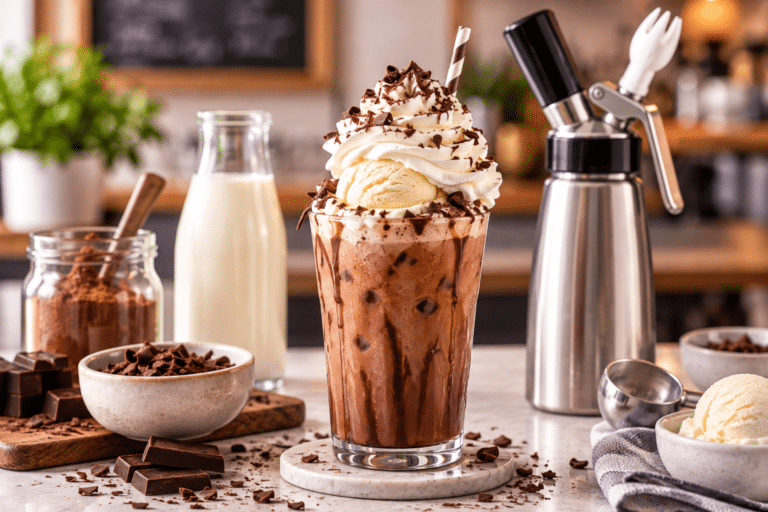
In most restaurant kitchens the cream whipper doesn’t really belong to any one section, and on a busy night it might pipe onto a wide range of dishes and desserts, such as pavlova, an aerate a chocolate mousse to order, or maybe to finish a soup with a parmesan espuma.
Cafés tend to go through their chargers on drinks, in volume, while a restaurant uses them across a menu that changes with the seasons and has to look right on every plate.
This buying guide is for restaurant owners and head chefs deciding which cream chargers for restaurants to buy and how to manage them. We cover the whippers that stand up to heavy use, when 8g chargers make arguably more sense than large cylinders, how many chargers a typical menu gets through each week.
Table of Contents
Key Takeaways
- A restaurant cream whipper does far more than top desserts, so plan stock around every section that uses one.
- Stainless steel whippers handle heavy use and warm espumas better than most aluminium models.
- Boxed 8g chargers suit most kitchens, while a 640g cylinder can make sense once weekly use passes about 80 chargers.
- Keep a week’s stock on the shelf, with extra ahead of weekends and functions.
How a Restaurant Kitchen Uses a Cream Whipper
Most kitchens start with one whipper in pastry and end up with three or four along the line. Chantilly is still the biggest user of gas, but the same tool turns out mousses without hours of folding and savoury espumas that hold their shape on a warm plate.
These are the jobs it most often does in a restaurant kitchen:
| Use | Section | Typical setup |
| Plated desserts and chantilly | Pastry | 1L whipper, two chargers per fill |
| Mousses | Pastry | 0.5L or 1L, one charger per 0.5L |
| Sweet and savoury foams and espumas | Larder or garnish | 0.5L stainless, warm-rated for hot espumas |
| Light sauces such as hollandaise | Sauce | 0.5L, held in a warm water bath |
| Cocktail foams | Bar | 0.5L, one charger per fill |
Because one whipper covers so many dishes, a pea espuma on the spring menu can become a horseradish cream in winter without any new equipment. But that only works if the kitchen owns the right type, though, since a basic cream dispenser is designed for cold cream while hot espumas and sauces need a siphon rated for heat.
Our dispenser versus siphon guide explains the differences if you’re unsure which to buy
What a Restaurant Needs to Get Right
Reliable Supply
A dessert that comes off the menu halfway through service costs far more than the gas would have, once you count the lost sales (and the awkward conversation at the table). Treat chargers like any other dry-store staple, with a par level and one person responsible for checking it before every weekend.
Consistent Texture
When an espuma comes out loose one night and stiff the next, the cause is usually a mix of charger brands or an overfilled whipper. Buying cream chargers for restaurants from one reputable, food-grade brand removes most of the variation, and a set fill line and shake count for each recipe takes care of the rest, especially once both are written on the recipe card.
Dispenser Size and Material
A restaurant cream whipper gets charged and washed several times a day, so it needs to be built for heavy use. Stainless steel stands up to that and can usually sit in a warm water bath for hot espumas, whereas many aluminium whippers are rated for cold use only. Most kitchens settle on 1L units for pastry and 0.5L units for garnishes and the bar, and you can compare our stainless steel cream whippers by size.
Cleaning Between Services
Strip every whipper at the end of each service rather than topping it up for the next one. Release the pressure and take the head apart, then wash and sanitise every part, gasket and nozzle included. Keep sweet and savoury whippers separate and labelled, since a trace of garlic espuma in tomorrow’s chantilly won’t go unnoticed.

8g Chargers vs Large Cylinders
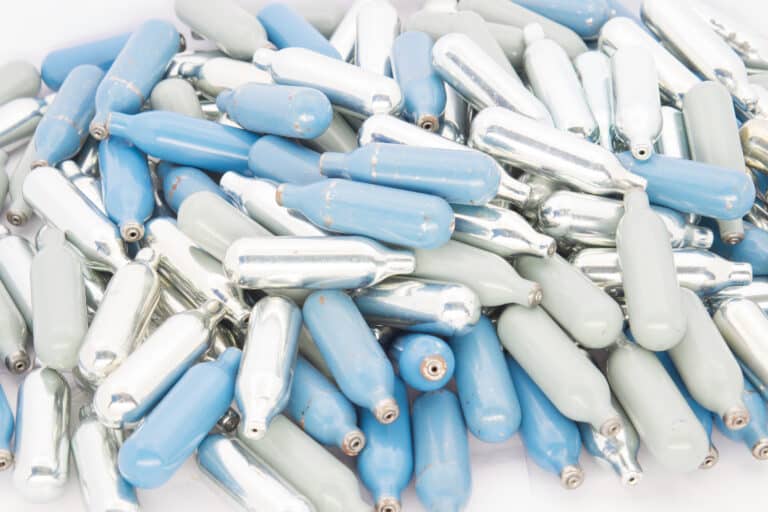
Boxed 8g chargers are still what most restaurants use, since each one gives a measured dose for a 0.5L fill and needs no extra equipment.
Large cylinders such as the 640g size hold roughly the same gas as 80 standard chargers and connect to the whipper through a pressure regulator and hose. They usually work out cheaper per gram, but the regulator is an upfront cost and staff need training to use it safely.
Side by side, the two formats compare as follows:
8g chargers | 640g cylinder | |
Gas per unit | 8g | About 640g, roughly 80 chargers |
Extra equipment | None | Pressure regulator and hose |
Best for | Most restaurants, several sections | High-volume pastry, 80+ chargers a week |
Storage | Boxed on a shelf | Upright and secured |
As a rough guide, a cylinder makes sense once the kitchen gets through around 80 chargers a week, mostly in one section. Our range of large nang tanks covers the main cylinder sizes, but check first that they can be supplied to your business in your state.
How Many Chargers Does a Restaurant Menu Use?
The simplest way to plan stock of cream chargers for restaurants is to count whipper fills per service and then work out the week:
Weekly chargers = chargers per service × services per week × 1.25
The extra 25 per cent covers busy weekends and the odd private function. For a restaurant running 12 services a week, the numbers might look like this:
Section | Fills per service | Chargers per service |
Pastry chantilly (1L) | 1 | 2 |
Mousse (1L) | 1 | 2 |
Savoury espuma (0.5L) | 1 | 1 |
Bar foam (0.5L) | 1 | 1 |
Total | 6 |
Six chargers a service across 12 services comes to 72 a week, or 90 with the buffer. Order extra a week ahead of Christmas functions and long weekends.
Storage, Training and Reordering
Safe Storage in a Commercial Kitchen
Keep chargers boxed in the dry store, away from ovens and dishwasher exhaust, since most manufacturers set an upper limit of 50°C. Cylinders should stand upright and be strapped or chained so they can’t fall, and all stock belongs out of public view.
Staff Training
New staff should learn to use a whipper before service rather than during it. Show them the fill line and how to charge one charger at a time, and make sure they release all the pressure before the head comes off.
Most restaurants fall under Food Standards Code Standard 3.2.2A, which requires food handler training, so whipper handling can join your existing induction.
Delivery and Reorder Speed
Try and set a reorder point at roughly one week of normal use. In Melbourne, delivery can arrive in under an hour through Nang Wizard, which helps on the night but shouldn’t replace a proper par level. You can check the delivery ETA by postcode before counting on a same-day top-up.

Age, Supply and Food-Standards Rules
Cream chargers are legal for culinary use across Australia, but sale rules differ between states. As of November 2026, NSW and South Australia bar sales to under-18s, NSW bans retail sale of containers over 10g with an exemption for food businesses, and Western Australia supplies only approved recipients. Our guide to nang laws in Australia covers each state in detail.
Cream and cold espumas must also stay at 5°C or below, and whippers count as food-contact equipment that needs cleaning and sanitising, so confirm the details with your council’s environmental health officer.
Bottom Line
A restaurant gets the most from its whippers when the gas is reliable and the texture holds steady. Stick to one food-grade brand and stainless steel whippers, and match 8g chargers or a cylinder to how much you actually use.
Don’t let a best-selling dessert vanish from the menu because the dry store ran out of gas on a Friday night. Stock up before the weekend rush and buy cream chargers from NangWizard today, with delivery across Melbourne in under an hour and fast shipping Australia-wide, so your pastry section is ready for whatever the bookings sheet throws at it.
Frequently Asked Questions
1. What are cream chargers used for in restaurants?
Restaurants use them in a cream whipper for plated desserts, mousses, sweet and savoury espumas, light sauces and cocktail foams. Most kitchens end up with a whipper in pastry and another on the line or at the bar, which is why cream chargers for restaurants tend to run out faster than owners expect.
2. What size restaurant cream whipper should I buy?
Most kitchens run 1L whippers in pastry, where chantilly and mousse go out in volume, and 0.5L units for espumas and the bar. Choose stainless steel for warm espumas and sauces, since many aluminium models are rated for cold use only, and a stainless restaurant cream whipper copes better with daily washing.
3. Are large cylinders better than 8g chargers for restaurants?
Cylinders suit high-volume kitchens using around 80 chargers a week, mostly in one section, and they usually work out cheaper per gram. They do need a regulator and trained staff, and supply is restricted in some states, so boxed 8g chargers remain the better fit for most restaurants.
4. How many cream chargers does a restaurant need each week?
Count chargers per service, multiply by services per week and add 25 per cent for busy weekends and functions. A kitchen using six chargers a service across 12 services needs about 90 a week, and it pays to order extra cream chargers for restaurants ahead of Christmas and long weekends.
5. How should a restaurant store cream chargers?
Keep cream chargers for restaurants in their original boxes in a cool, dry store below 50°C, away from ovens and dishwasher exhaust. Stand cylinders upright and strap or chain them in place, and keep all stock out of public view, where only trained staff can get to it.
Rate this post

Nang Wizard
As the driving force behind Nang Wizard, I'm proud to lead Melbourne's fastest instant delivery company. With a team of 5 dedicated drivers strategically positioned across the city, we guarantee under one-hour delivery times. Our unwavering commitment to trustworthiness and customer satisfaction has earned us a 5.0-star Google Maps rating, and we're known for offering 100% refunds if a customer's delivery isn't on track within 15 minutes. With over 20,000 orders completed, we've become Melbourne's most trusted Kitchen Supply Store, ensuring our customers always come first. Join us and experience the magic of Nang Wizard.
Other Articles
Shopping cart0
There are no products in the cart!
Continue shopping