


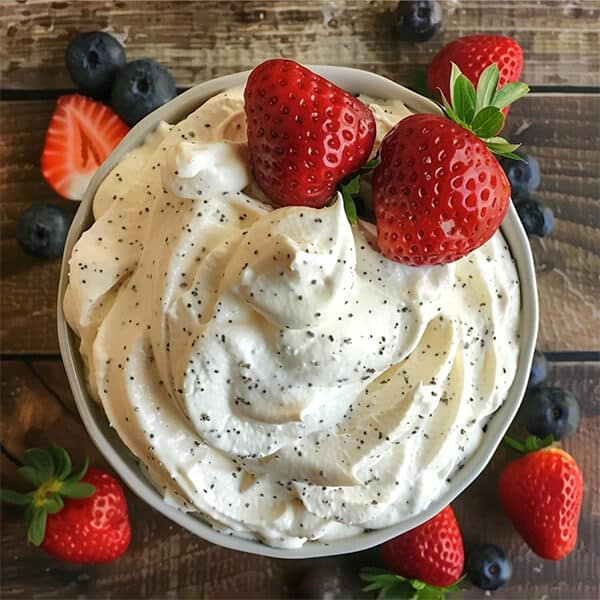


TLDR: Cream chargers for dessert shops let you top waffles and thickshakes in a couple of seconds per serve, with the same amount of cream every time. Run a 1L stainless dispenser for plain cream plus a labelled 0.5L unit for each flavour, and work out your weekly charger order from your dessert orders, using one 8g charger for every 0.5L of cream.
If you have worked a dessert bar counter at 9pm on a Saturday, you will be all too familiar with how quickly the dockets stack up, and nearly every one of them finishes with a swirl of cream. Waffles, crepes, sundaes, thickshakes, mousse cups and hot chocolates all want it, and a bowl of hand-whipped cream simply can’t keep pace with a rush like that.
Using cream chargers for your shop puts whipped cream on tap, ready in seconds and portioned with a press of the lever. Our bakery buying guide here covers early-morning production, whereas this one sticks to the dessert counter, where the menu is wide and the queue is long.
Below, we cover how much cream a dessert menu gets through, how a dispenser keeps service moving and costs in check, and how to run flavoured creams side by side without mix-ups. We will also take a quick look at how to work out the right number of chargers to keep on hand (holiday weekends included).
Table of Contents
Key Takeaways
- A dispenser tops a dessert in two or three seconds, which keeps the line moving through evening and weekend peaks.
- Pressing the lever for a set count gives every serve the same amount of cream, so cost per serve stays predictable.
- Each flavoured cream needs its own clearly labelled dispenser, with allergen-carrying flavours kept well apart from plain cream.
- One 8g N₂O charger whips one 0.5L fill, and a shop serving around 1,200 desserts a week gets through roughly 40 to 45 chargers.
- Order extra stock well ahead of public holidays, when demand climbs and delivery schedules often change.
How Much Cream Does a Dessert Menu Use?

A dessert menu tends to put cream on far more dishes than a café or bakery menu ever does, and the total usually surprises owners once they sit down and count it. Add up every item that leaves the kitchen with cream on top, from the waffle stack to the hot chocolate, and for many dessert bars it comes to the large majority of orders.
Portion sizes vary across the menu, so it’s a good idea to set a standard for each item and train the team to it. As a rough guide, you can apply the following:
Menu item | Typical topping | Approx. whipped cream per serve |
Waffles and crepes | Generous swirl beside the fruit or sauce | 40 to 50 ml |
Thickshakes | Tall crown on the glass | 40 to 60 ml |
Sundaes | Swirl on top, sometimes a layer through the middle | 30 to 40 ml |
Mousse cups | Small rosette | 20 to 30 ml |
Hot chocolates and mochas | Cap on the cup | 20 to 30 ml |
Faster Service on Busy Nights
Dessert shops do most of their trade in short, intense bursts, usually between 7pm and 11pm, plus weekend afternoons and school holidays. During those windows, every second spent at the cream station holds up the whole line, and a dispenser takes that station from minutes down to a couple of seconds per serve.
There’s no mixer to run between orders and no bowl slowly going flat on the bench, because the cream sits sealed and charged in the fridge until somebody picks up the dispenser. A new staff member can learn the lever in one shift, which is a lot easier than teaching a team of casuals to whip cream by hand to the same stiffness.
👉If your crew is new to the equipment, our dispenser setup guide covers filling and charging the unit step by step.

Portion Control and Cost per Serve
Scooping cream with a spoon or palette knife leads to uneven serves, and staff almost always over-portion when the shop is slammed. A dispenser fixes that with a simple rule, such as a two-second press for a sundae and three for a waffle, so the tenth serve of the night looks the same as the hundredth.
That consistency makes cost per serve easy to keep an eye on. Say a litre of thickened cream costs you $10 and a charger costs $1. A 0.5L fill then costs about $6 and gives roughly 25 standard toppings, which works out at around 24 cents a serve.
Sealed cream also keeps for three to five days in the fridge, provided you stay inside the date on the carton, so far less of it goes in the bin at closing time.
Flavoured Creams for a Wider Menu
Flavoured cream is one of the easiest ways to stretch a dessert menu, since the same waffle can be sold with vanilla or matcha cream at very little extra cost. Mix the flavouring into the cold cream before it goes into the dispenser, then charge and shake as normal.
For a 500 ml fill, these amounts make a good starting point:
- Vanilla: two teaspoons of vanilla extract or bean paste with two tablespoons of icing sugar.
- Chocolate: two tablespoons of sifted cocoa and three of icing sugar, whisked into a splash of the cream first so no lumps go in.
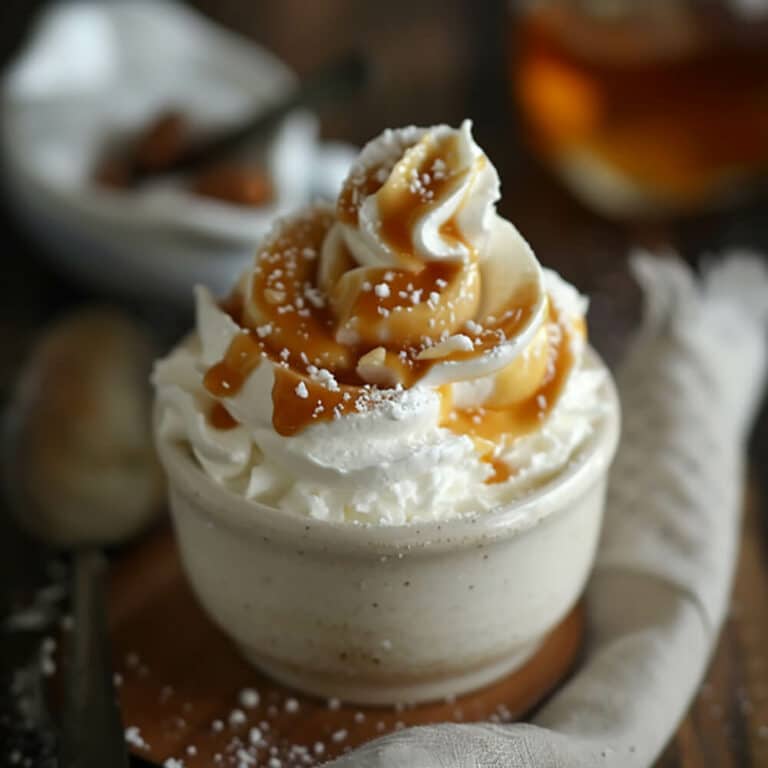
- Caramel: two to three tablespoons of smooth, pourable caramel sauce. Thick or chunky sauces can block the nozzle. Our salted caramel foam recipe suits caramel drinks on the menu too.
- Matcha: one to two teaspoons of sifted matcha, whisked into a little cold cream until smooth before you add the rest.
Running Several Dispensers on the Line
With three or four dispensers on the go during a shift, mix-ups happen easily, so give each flavour its own unit and never top one up with a different flavour. Mark each dispenser with a coloured band or nozzle, plus a tag showing the fill date and any allergens, and keep it in the same spot on the rail and in the fridge.
Chocolate products often contain soy, and some caramel or praline sauces contain nuts, so wash those nozzles and heads separately and never swap parts between units. Australian food businesses must be able to tell customers which allergens are in unpackaged food, so keep an up-to-date allergen sheet beside the register.
ℹ️ Did You Know? Milk is the one allergen every cream flavour shares. If a customer asks for a dairy-free option, none of your cream dispensers can provide it, no matter what flavour sits inside.

Choosing Dispenser Sizes
The right mix of sizes depends on how much each flavour sells, since a slow flavour left in a big dispenser just sits in the fridge until it expires. Stainless steel units handle the knocks of a busy line and nightly washing far better than aluminium or plastic, so they suit commercial use best.
Dispenser | Chargers per fill | Approx. toppings per fill | Best use on a dessert line |
0.25L | 1 | 12 | Slow-selling flavours such as matcha |
0.5L | 1 | 25 | Flavoured creams and quieter weeknights |
1L | 2 | 50 | Plain cream on Friday and Saturday nights |
A common setup is a 1L unit on plain cream plus a 0.5L for each flavour, with a spare 1L on standby for peak nights. You can compare stainless options across our range of whipped cream dispensers.
How Many Chargers Does a Dessert Shop Use?
Charger use follows your dessert orders closely, so you can estimate weekly stock from the dockets you already have. One 8g N₂O charger whips one 0.5L fill, which gives about 25 standard toppings.
As a rule of thumb:
Weekly chargers = (weekly dessert orders × share topped with cream) ÷ 25 × 1.2
The extra 20 per cent covers re-charging dispensers that have sat overnight, along with the odd faulty charger. For example, a shop selling 1,200 desserts a week with cream on 75 per cent of them needs 900 toppings, which is 36 chargers, or about 43 once the buffer is added.
Shop size | Dessert orders per week | Chargers per week (75% with cream) |
Quiet | 300 | About 11 |
Steady | 700 | About 25 |
Busy | 1,200 | About 43 |
Very busy | 2,000 | About 72 |
Swap in your own share of cream-topped orders, because a menu heavy on thickshakes and waffles will sit higher than 75 per cent. Higher-volume shops can save by buying by the case, which our bulk cream chargers guide covers in detail.
Keeping Dispensers Cold Through Service
Warm cream comes out thin and collapses on a hot waffle within seconds, so temperature control has a direct effect on how your desserts look at the pass. With that in mind, keep filled dispensers in an under-bench fridge at 5°C or below, and on hot summer nights stand the working unit in an ice bath at the station.
Always fill with cream straight from the fridge, and stay at or below the fill line so the gas has room to do its job. If a dispenser starts giving you runny cream mid-service, our guide to common charger problems lists the usual causes and fixes.
A Simple Cleaning Routine
Every dispenser on the line should be stripped and washed at the end of each night, because cream left in the head or nozzle sours and blocks the valve. Release all the pressure before you unscrew the head, then wash the body, head, gasket and nozzle in warm soapy water and leave everything to air dry overnight.
Once a week, check each gasket for cracks or flattening and replace any that look worn, since a tired seal leaks gas and wastes chargers. A small nozzle brush makes the nightly wash quicker, and our post on clearing a blocked nozzle helps when dried cream has already set inside.
Bottom Line
A dessert menu leans on whipped cream harder than almost any other food business, and a few well-chosen dispensers make that load far easier to carry on a packed Saturday night.
Set a portion for each item, give every flavour its own labelled unit, keep the line cold and clean, and let your weekly dessert orders tell you how much stock to hold.
When you’re ready to stock up, you can buy cream chargers online with fast delivery across Melbourne and shipping Australia-wide, so your counter is set for the next rush.
FAQs About Cream Chargers for Dessert Shops
1. How many cream chargers does a dessert shop use per week?
Charger use tracks your order volume, so divide your weekly cream-topped desserts by 25 and add 20 per cent for re-charges and spares. A shop serving 1,200 desserts a week, with cream on 75 per cent of them, needs about 43 chargers.
2. What size dispenser suits a dessert shop best?
Most shops run a 1L dispenser on plain cream for peak nights, plus a 0.5L unit for each flavour. Slow-selling flavours like matcha suit a 0.25L, so the cream doesn’t sit around until it expires.
3. Can you put flavoured cream in a whipped cream dispenser?
Flavoured cream works well in a dispenser, provided you mix syrups, sifted cocoa or matcha into the cold cream before filling and strain it through a fine sieve so nothing blocks the nozzle. Use a separate, labelled dispenser for each flavour.
4. How long does whipped cream last in a dispenser?
Sealed and kept at 5°C or below, charged cream holds for three to five days. Never use it past the date on the original carton, and clean the dispenser fully before refilling.
5. Do dessert shops need ID to buy cream chargers?
Several states now require suppliers to check that buyers are 18 or over, and some also ask for business details or approved recipient documents. Rules on cream chargers for dessert shops vary by state, so check the current requirements where you trade.
Rate this post

Nang Wizard
As the driving force behind Nang Wizard, I'm proud to lead Melbourne's fastest instant delivery company. With a team of 5 dedicated drivers strategically positioned across the city, we guarantee under one-hour delivery times. Our unwavering commitment to trustworthiness and customer satisfaction has earned us a 5.0-star Google Maps rating, and we're known for offering 100% refunds if a customer's delivery isn't on track within 15 minutes. With over 20,000 orders completed, we've become Melbourne's most trusted Kitchen Supply Store, ensuring our customers always come first. Join us and experience the magic of Nang Wizard.
Other Articles
Shopping cart0
There are no products in the cart!
Continue shopping